
Our Products
pharmaceutical products
ANTIBACTERIAL/ ANTIMICROBIAL/ANTIDIARRHEAL/ G.I.ANTIINFECTION

It seems like you're looking for information on substances or medications that have antibacterial, antimicrobial, antidiarrheal, and gastrointestinal (G.I.) anti-infection properties. Here's a brief overview:
It's important to note that the use of these medications should be under the guidance of a healthcare professional. Self-medication, especially with antibiotics, can lead to antibiotic resistance and other complications. If you have specific symptoms or conditions, it's advisable to consult with a healthcare provider for a proper diagnosis and appropriate treatment.
NSAIDS/ANTIRHEUMATOID/SPASMODIC/MUSCLE RELAXANTS

Nonsteroidal anti-inflammatory drugs (NSAIDs), antirheumatic medications, spasmolytics, and muscle relaxants are classes of drugs that are commonly used to treat various conditions, including pain, inflammation, rheumatic disorders, and muscle spasms. Here's a brief overview of each class
Muscle Relaxants:
- Purpose: Muscle relaxants are medications that act on the central nervous system to reduce muscle tone and relieve muscle spasms.
- Conditions Treated: Conditions associated with muscle spasms, such as musculoskeletal injuries.
- Examples: Methocarbamol, carisoprodol, diazepam.
- It's important to note that these medications should be used under the supervision of a healthcare professional, as they can have side effects and interactions with other medications. Additionally, individual responses to these drugs can vary, so the choice of medication depends on the specific condition and the patient's health profile. Always consult with a healthcare provider for personalized advice and appropriate prescription.
HZPERACIDITY/REFLUX/ULCERS
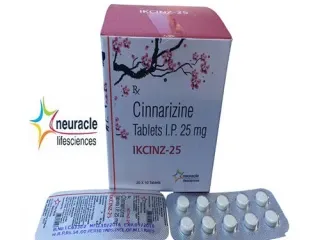
It seems like you're interested in information about hyperacidity, reflux, and ulcers. I can provide some general information on these topics, but keep in mind that I'm not a doctor, and it's important to consult with a healthcare professional for personalized advice and treatment.
- Lifestyle changes: This includes avoiding trigger foods (spicy or acidic), maintaining a healthy weight, and not lying down immediately after meals.
- Medications: Antacids, H2 blockers, and proton pump inhibitors (PPIs) may be prescribed to reduce acid production and alleviate symptoms.
- Antibiotics: If H. pylori infection is present, antibiotics are often prescribed to eradicate the bacteria.
- Surgical intervention: In severe cases, surgical procedures may be considered.
It's crucial to seek medical advice if you experience persistent or severe symptoms. Untreated conditions like GERD and ulcers can lead to complications, including bleeding, strictures, and Barrett's esophagus, which is a precancerous condition.
Remember, individual cases vary, and a healthcare professional can provide the most appropriate guidance based on your specific situation.
ANDROGENS/ANABOLIC/GYNAEC
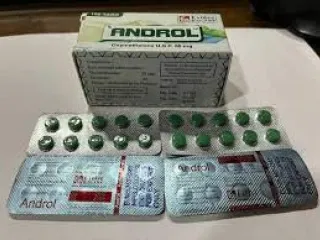
It seems like you've mentioned three different terms: "androgens," "anabolic," and "gynaec." Let me provide some information on each:
If you have more specific questions or if you would like information on a particular aspect of these terms, please provide additional details, and I'll do my best to assist you.
NUTRITION&METABOLISM/MINERALS/VITAMINS

It seems like you've mentioned three different terms: "androgens," "anabolic," and "gynaec." Let me provide some information on each:
If you have more specific questions or if you would like information on a particular aspect of these terms, please provide additional details, and I'll do my best to assist you.
ENZYMES/DIGNESTIVE SUPPLEMENTS

Enzymes play a crucial role in digestion, breaking down complex molecules into simpler ones that the body can absorb. While the body naturally produces enzymes for digestion, some people may benefit from digestive enzyme supplements, especially if they experience digestive issues. Here are some key points about enzymes and digestive supplements:
It's important to note that while digestive enzyme supplements can be beneficial for some individuals, they may not be necessary for everyone. If you suspect digestive issues, it's recommended to consult with a healthcare professional for a proper diagnosis and personalized advice.
ANTIALLERGIC DRUGS/ NUROLYTIC/EXPECTORANTS
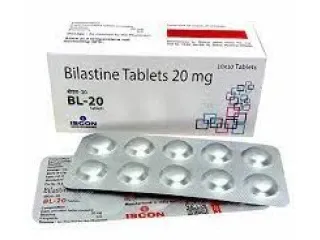
It seems like you're asking about different types of drugs, specifically antiallergic drugs, neurolytic drugs, and expectorants. Let me provide a brief overview of each:
It's important to note that the use of these drugs should be based on a doctor's prescription or recommendation. Self-medication, especially without proper understanding of the specific condition and potential interactions, can lead to adverse effects. Always consult with a healthcare professional for personalized advice.
DERMA RANGE

The term "DERMA RANGE" typically refers to a range of skincare or dermatological products. "Derma" is short for dermatology, which is the branch of medicine dealing with the skin, hair, nails, and related disorders. Dermatological products are designed to address various skin concerns, ranging from basic skincare to treatments for specific skin conditions.
It's important to note that specific products within a Derma Range can vary among different brands or skincare lines. These products are often formulated with ingredients that are intended to promote skin health, address specific concerns, and maintain overall skin well-being.
ANTIMALARIAL

"Antimalarial" refers to substances or medications that are used to prevent or treat malaria, a potentially life-threatening tropical disease caused by parasites of the Plasmodium genus. Malaria is primarily transmitted through the bites of infected mosquitoes.
Several antimalarial drugs are available, and the choice of medication depends on factors such as the specific type of Plasmodium parasite causing the infection, the severity of the disease, and the region where the person acquired the infection. Some commonly used antimalarial drugs include:
© Pharm Biotech. All Rights Reserved